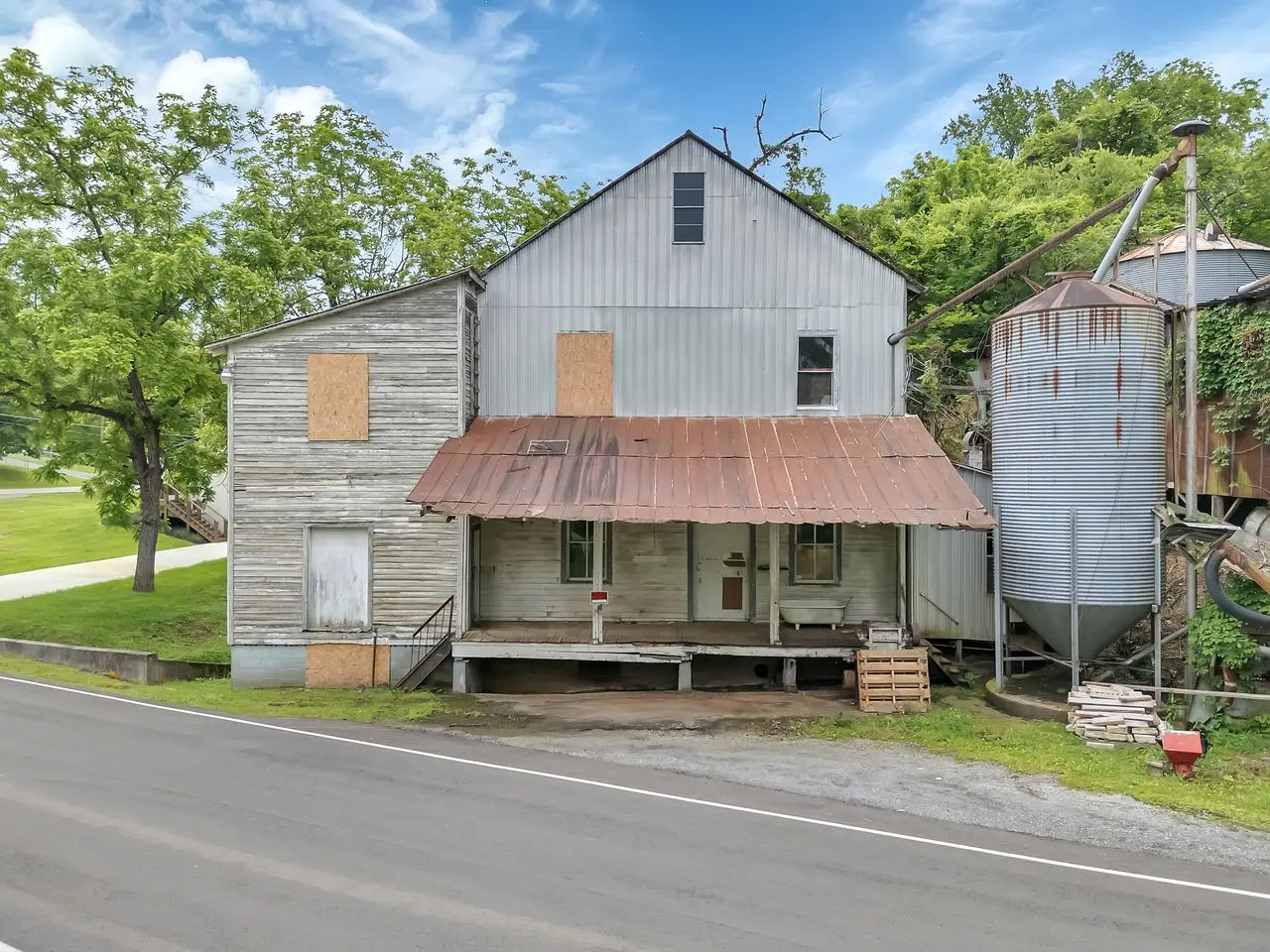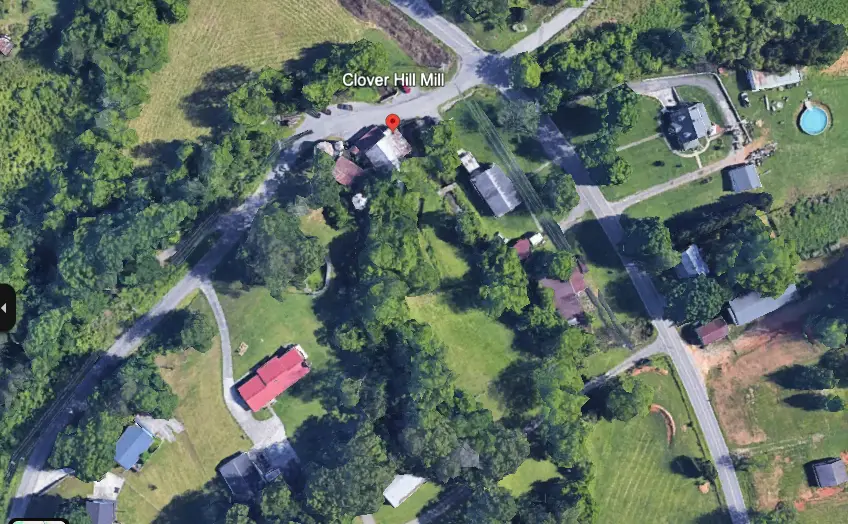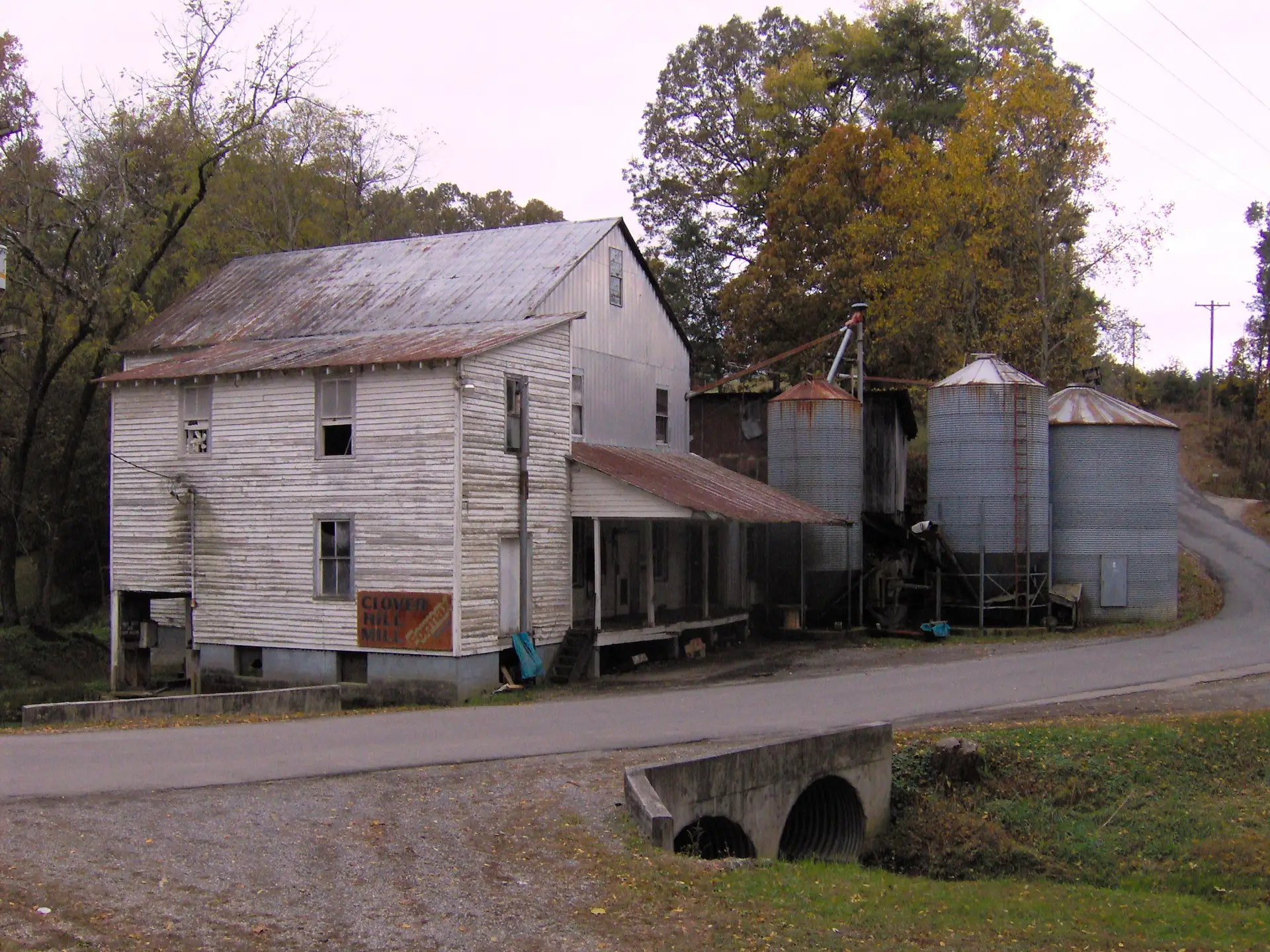
Constructed in 1921. Entered into the U.S. Department of the Interior National Register of Historic Places in 1989. Still standing with original equipment. Near junction of Hwy. 411 and Tail of the Dragon.
Before mechanized agriculture and modern supply chains, local grist mills were essential infrastructure. Farmers had no practical way to process their grain harvests into usable flour, cornmeal or feed without them.
A mill within reasonable distance — typically a day’s wagon ride — was the difference between subsistence and starvation. Farmers would bring their grain and pay the miller in a share of the finished product, a system called “toll milling.”
In fact, Blount County had multiple grist mills that contributed to the economy, eight of which are listed in the National Register of Historic Places — only two still standing.
The John Hackney Mill along Main Street near the intersection of Front Street in Friendsville operated from 1800 to 1939, according to the Register. Today all that is left are the concrete foundations of the mill, overshot wheel and part of the mill race.
The Brick Mill alongside Little Baker Creek on Brick Mill Road in Maryville was first built in 1815. Although the wooden structure collapsed in 1985 and later burned in a fire, the concrete foundation, supports for the overshot wheel and some of the brick walls remain.
The Pistol Creek Mill on the Greenway in Maryville between Church Avenue and Ellis Street was erected in 1900. Remnants of the dam and mill race can be seen today.
The Shaddon Mill on Nine Mile Creek at the junction of Big Elm and Trigonia roads was a turbine-powered grist and sawmill. According to Register records, the site was allowed to deteriorate and was ultimately destroyed by a storm in the late 1960s.
White’s Mill along Crooked Creek on Old White’s Mill Road was originally constructed in 1880 and provided grist and saw milling services through the early 1960s. The building has since been razed.
The John Martin Mill sits on the north bank of Hesse Creek on West Miller’s Cove Road in Walland. It was built circa 1900 with a gabled roof, weatherboard siding, concrete foundation and interior flues. The second story has been remodeled into a residence, but the first story retains its original floor plan and mill equipment.
The Peery Mill site is a popular, though controversial, swimming spot in Walland slated to be demolished by the U.S. Army Corps of Engineers in the near future. Construction began in 1842 and evolved to include a two-story frame mill building. It burned in 1987, leaving only the foundation ruins.
Real estate developer Sara Price admitted she didn’t know much about the site when she bought the building in February 2024.
“I went a little crazy digging into the history of it,” Price said. “It was such a hub for the community in the early 1900s through the 60s.”
She envisions it becoming a hub again for people who live on the West End of Maryville or for Tail of the Dragon enthusiasts if the right developer takes on the challenge.
“This property presents a unique opportunity for a variety of uses, including potential event venue, investment property, or a legacy estate,” she said. “I see people excited. I see them coming with their family and their friends. And I see a stage back there, you know, for whatever purpose, singing, local artist, and tasting room. I just see it vibrant again.”
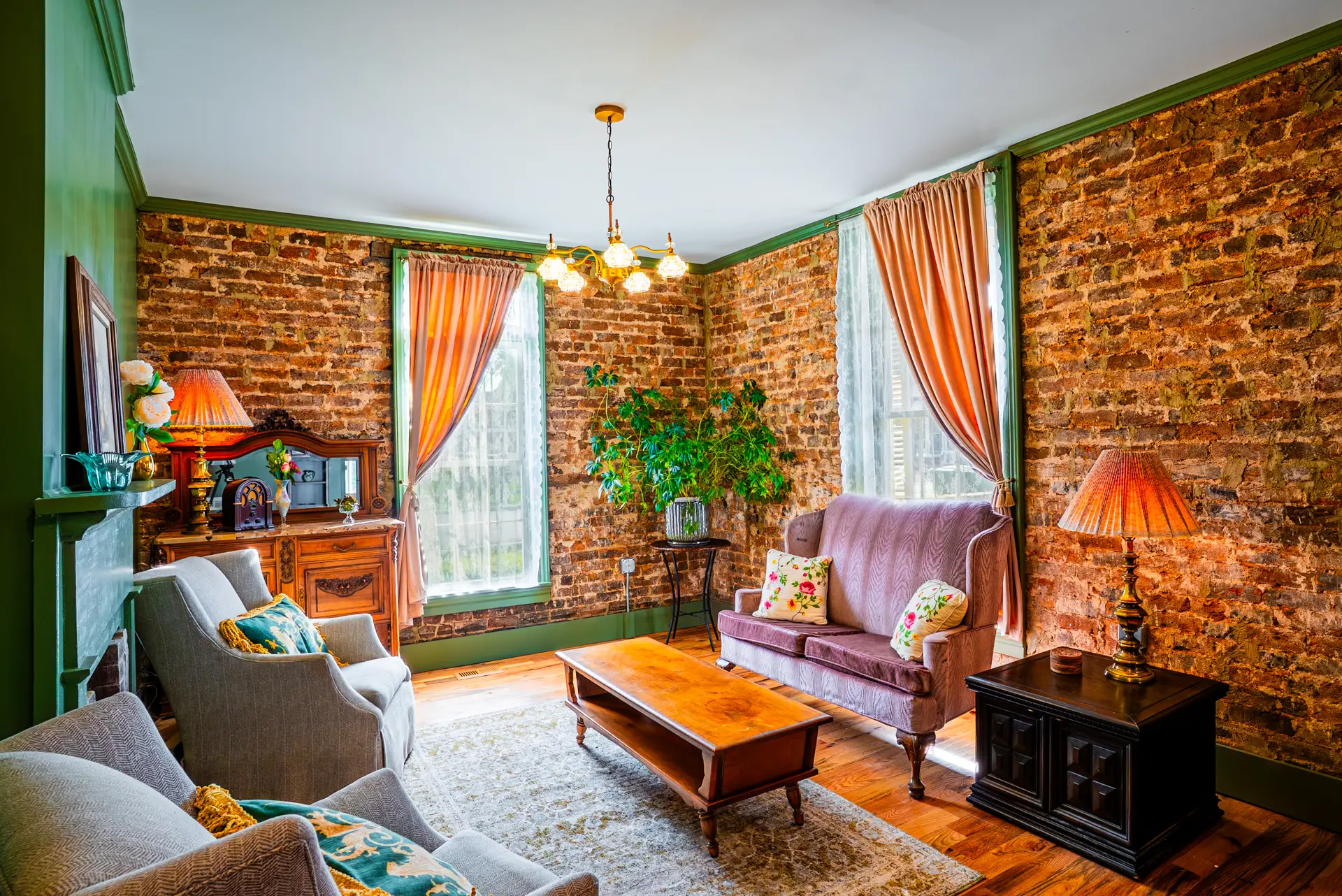
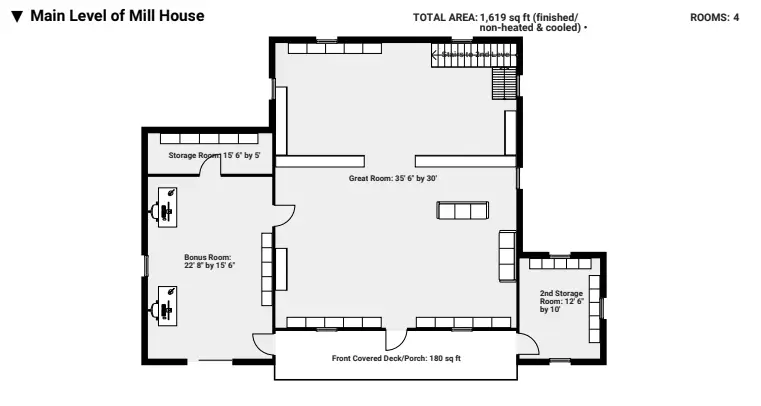
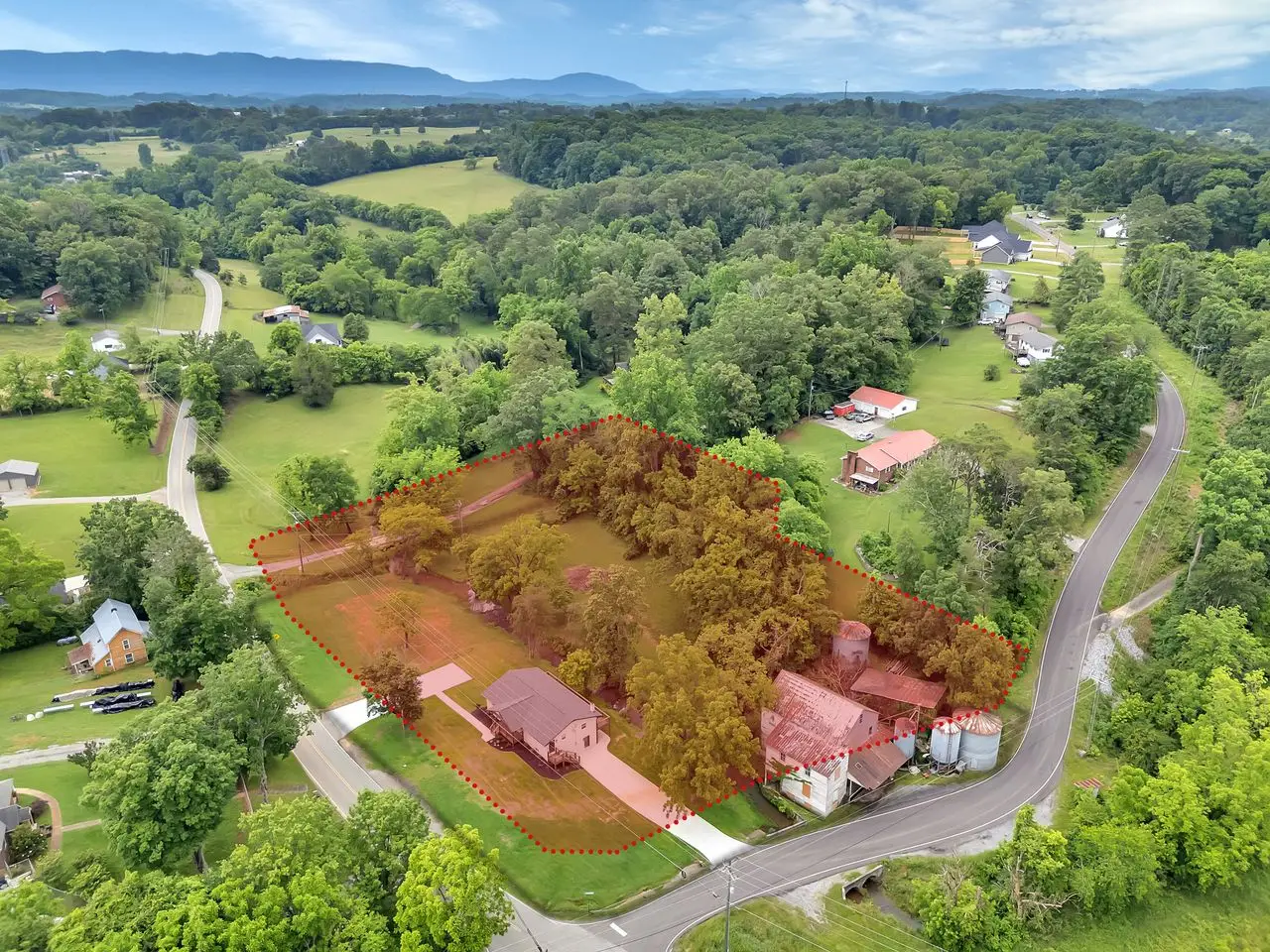
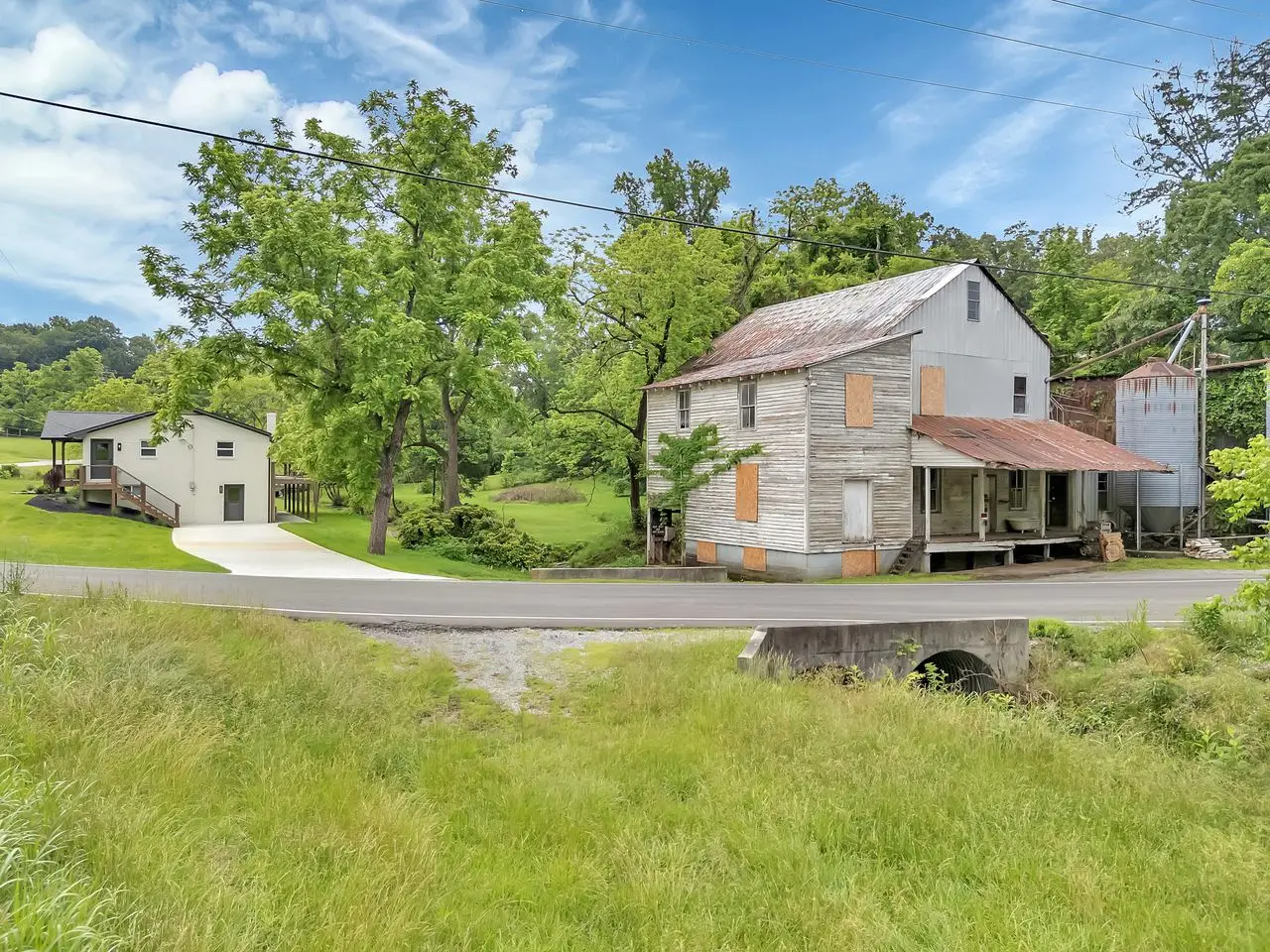
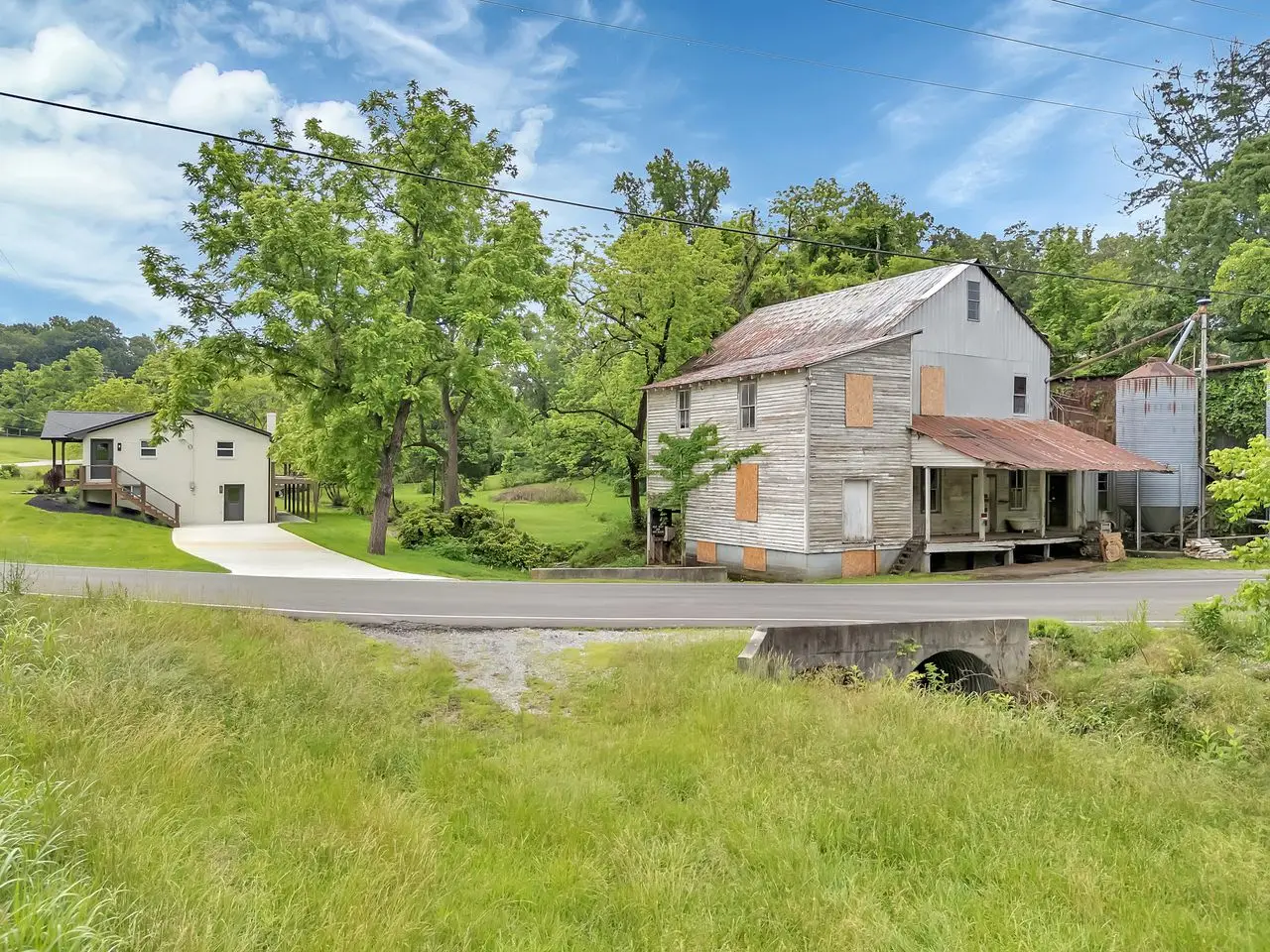
Price said the current offer includes both the iconic Clover Hill Mill and a completely renovated basement ranch home, situated on just over two acres of land with a scenic creek running through the property, along with four original silos that add to its character and appeal.
The Clover Hill Mill is a two-story structure with a metal, gable roof, weatherboard siding and a concrete foundation.
A porch with square columns spans the front of the building. One-story wings are attached to the east and west ends of the structure, which were traditionally used as office space and storage space. The interior of the building retains much of the original mill machinery. The mill’s outbuildings include a frame storage shed built around 1960 and four metal grain silos, all built between 1969 and 1975.
Due to their age, none of these structures are considered “contributing” structures on the National Register listing.
The concrete foundation of the original mill’s overshot wheel is located behind the present structure.
“It makes me sad to see it not in use,” Price said. “I cannot tell you the amount of people in the community that have reached out to me since I purchased the building. They have such interest in it.”